Something big and very exciting is happening in the field of prospect research. It is at once both thrilling and terrifying, but then again, the best things in life usually are! Do you know what I am talking about? Prospect research has become the center of attention concerning the use and abuse of data in nonprofit fundraising.
The Thrilling Aspect
For years prospect research languished in basements, yearning for that exclusive seat at the leadership table. Thrillingly, prospect research professionals in the U.K. have been thrust into that seat with all the anticipation of slowly ratcheting up the roller-coaster-mountain and the subsequent terror of being dropped with a 5.5 G-force speed down the other side.
.
It’s official. Data is a big deal. And the guardians and operators of data in non-governmental organizations (NGOs) are prospect research professionals.
.
So after working long and hard behind the scenes, after advocating to fundraising leadership for the use and respect of prospect research, we have arrived at the leadership table. And my, what an entrance we have made!
The Terrifying Aspect
In the U.K., the Information Commissioner’s Office (ICO) has been fining charities for violations of the Data Protection Act 1998. The fines have ranged from a low of £9,000 to a high of £25,000. The IOC has done a lot of interpretation of the Data Protection Act 1998, and has surprisingly used emotional language.
.
The fines include best practices in prospect research such as the following:
- Ranking you based on your wealth – The ICO is questioning all of those wonderful ratings we agonize over, such as gift capacity.
- Finding information about you, that you didn’t provide – Yes, the very origin of our work is being questioned: searching Google, social media, and other databases to fill in the missing the pieces of our donor prospect picture.
Is this the end of prospect research in the U.K.? I doubt it. There will be changes as NGOs adapt their data and privacy policies to carefully reflect their fundraising practices. Some NGOs will even seize this as an opportunity to share their fundraising “data story” with the public.
New Perspective Fueled by Advocacy
After this terrifying plunge, the interpretation of the Data Protection Act 1998 by the ICO may shift as NGOs, fundraisers, prospect researchers, donors, and other constituents react and lend their voices to the conversation. For example, the Institute of Fundraising issued a report, Good Asking, exploring why charities research and process supporter information.
.
On the other side of the Atlantic Ocean, instead of a tightening of data privacy, the U.S. has been experiencing a loosening of data privacy. On April 3, 2017, President Trump repealed a set of privacy regulations requiring “internet service providers to request authorization before selling sensitive customer data to advertisers, or using that same information for marketing campaigns.” (Click for article)
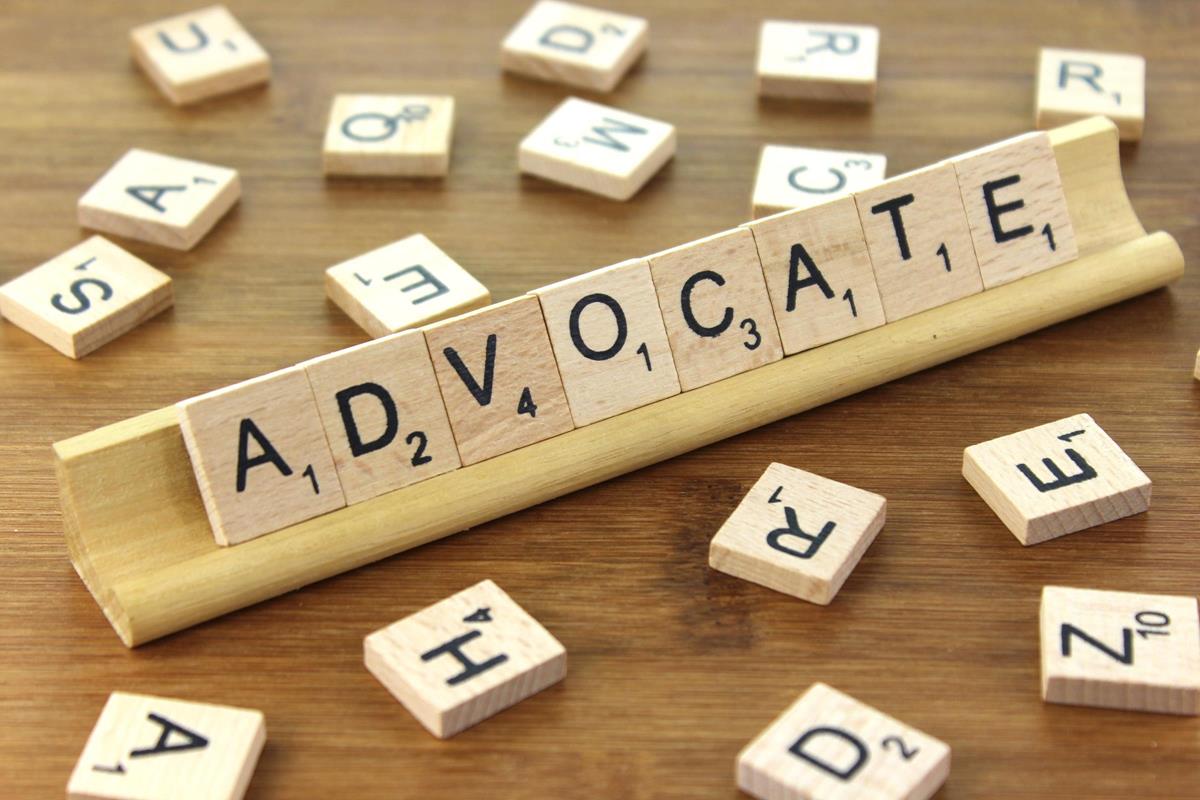
What Can You Do? Advocate!
Whether you are in the U.K., the U.S., or any other country, we prospect research professionals are most often the guardians and operators of fundraising data in our organizations. We may have little or no leadership authority (yet), but that doesn’t mean we can’t advocate for our profession and for solid data practices – before we find ourselves the subject of unflattering news headlines.
.
It’s easy to say we should advocate, but what might that look like in real life? Following are three steps to help you advocate effectively:
- Define the change you desire. Just as in goal setting, clearly defining the change you want to effect is important. Are you advocating for the creation of a data privacy policy, or are you advocating for your prospect research position or department?
- Determine your strategy. Strategy comes before tactics. Who needs to be persuaded to make change happen? Where are the obstacles to the change you seek?
- Craft your tactics. Tactics are the kinds of actions you take to fulfill your strategy and effect change.
Consider the story of Suzanne Harris at the Philadelphia Museum of Art. It is a classic case of advocacy gone right! Suzanne wanted to introduce RFM scoring. She talked up RFM scoring and quoted gurus in the field. She built a relationship with IT to create an automated score that could be refreshed. Then the Development Department threw a party for all staff, on a day fundraisers were likely to be in the office, and used games to educate and demonstrate the value of the new scores.
.
Advocacy isn’t just for associations or organizations with a cause. It’s something all of us do all the time. We advocate for a raise, to have dinner at a certain restaurant, or to visit somewhere special for vacation. Advocacy becomes more complex when there are more players and procedures in between the current status and the change we desire.
.
Considering the level of strategic complexity we navigate when we provide insights in prospect profiles, analyze prospect portfolios, and perform data mining, we can handle advocacy!
More Resources You Might Like
- Institute of Fundraising > Researchers in Fundraising > News
- Institute of Fundraising Launches Good Asking Report | Apr 2017
- Charity Enforcement Action | Information Commissioner’s Office | Apr 2017
- Knowledge/Opinion: ICO and enforcement action against charities | Plymouth University | Collection of information and commentary
- UK Fundraising and European Data Protection Ruling: What It Means and What Your Organisation Should Do Right Now | GG+A | Jan 2017